
Angry Birds
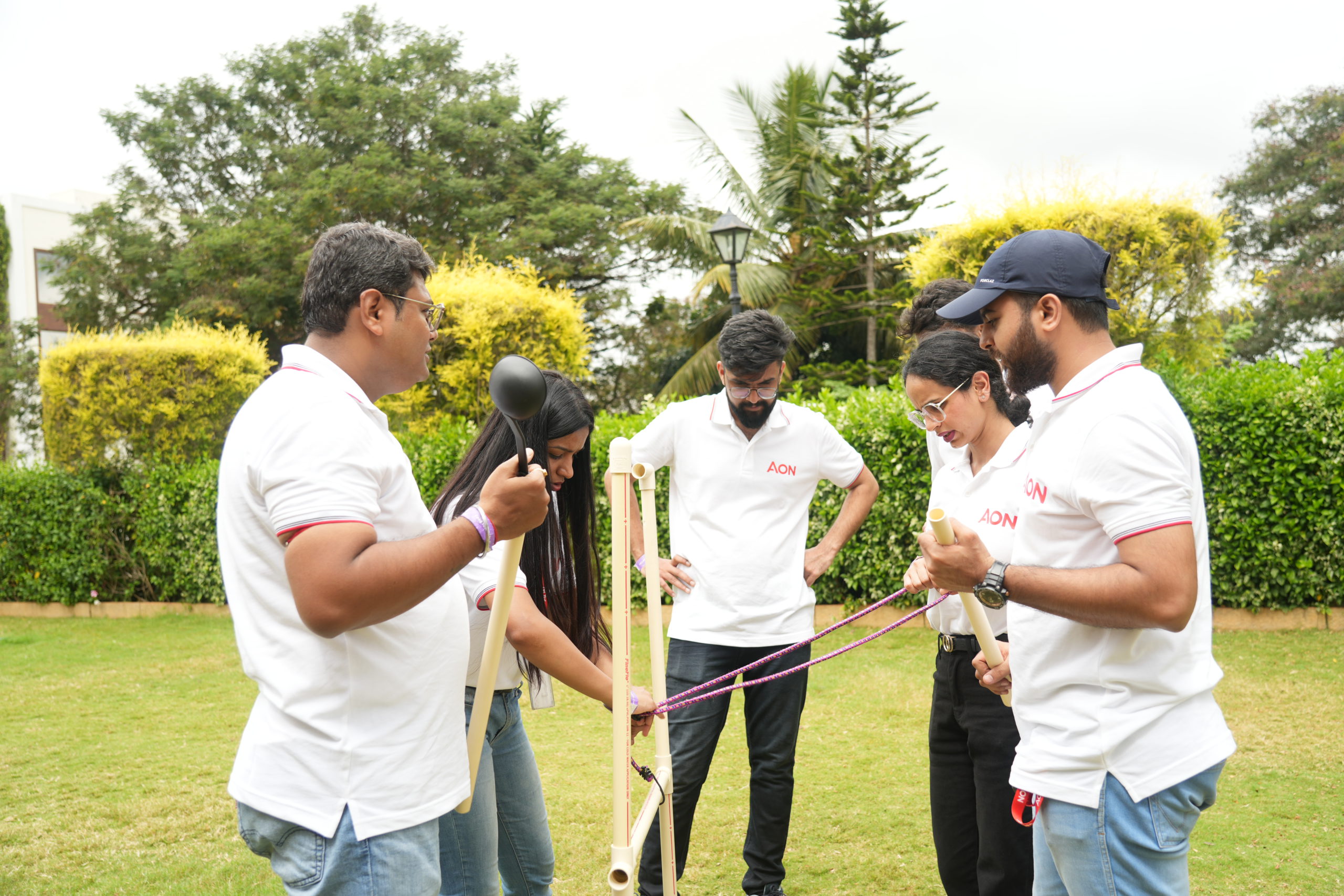
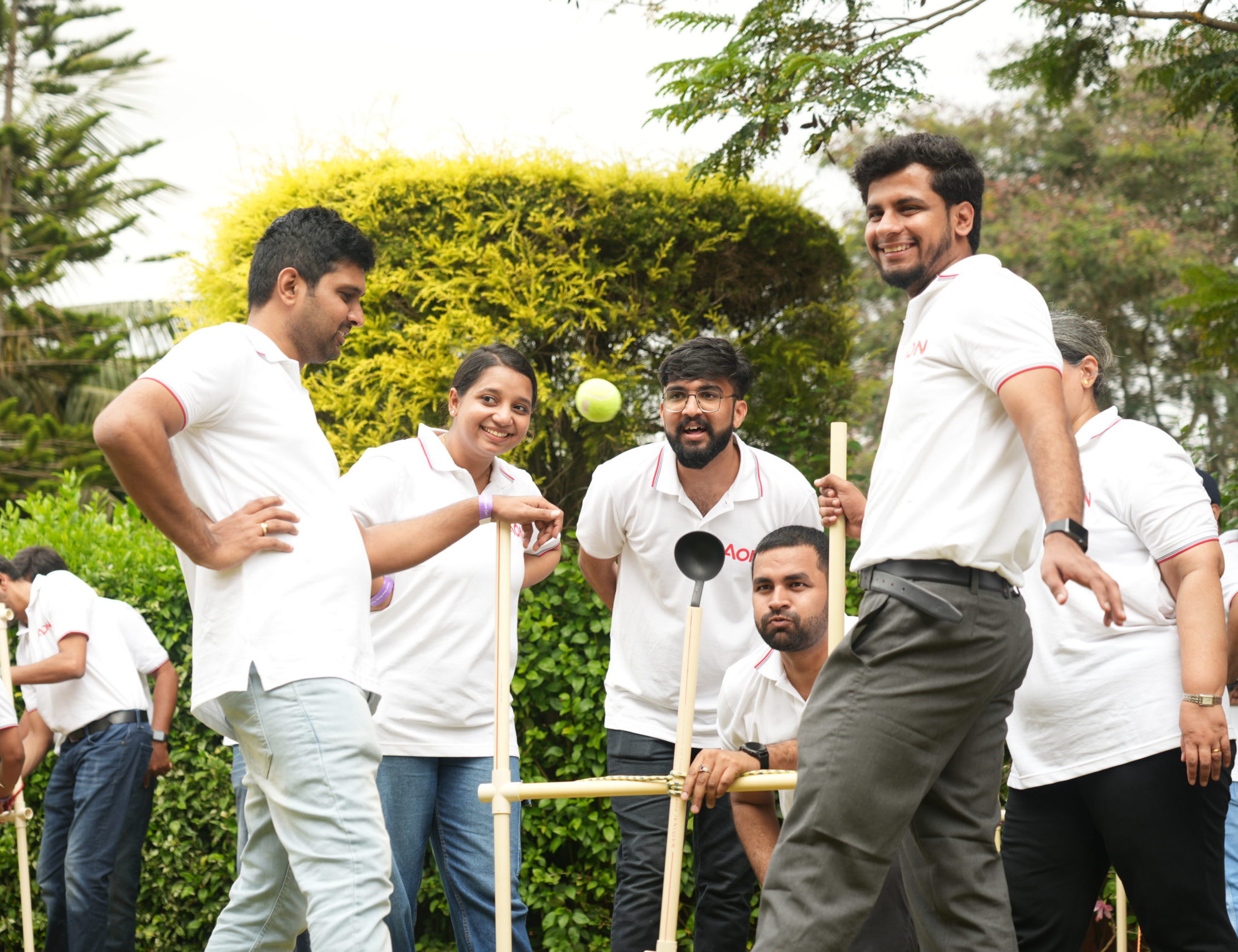
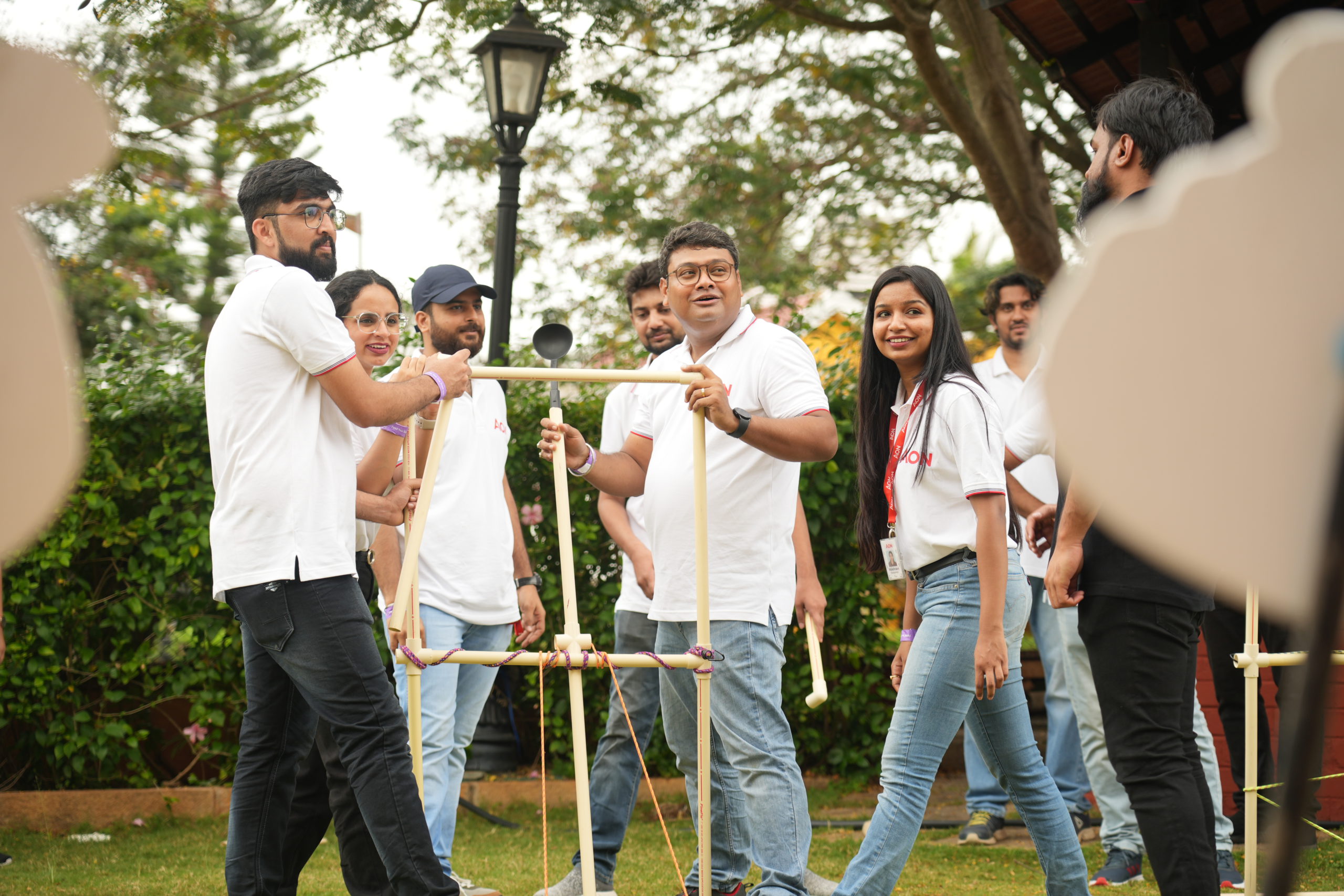
Teams work together to build a life size catapult and battle it out for bragging rights!

Group Size
8 - 800+

Duration
90 - 120 Mins

Setting
Indoor/Outdoor
About Angry Birds
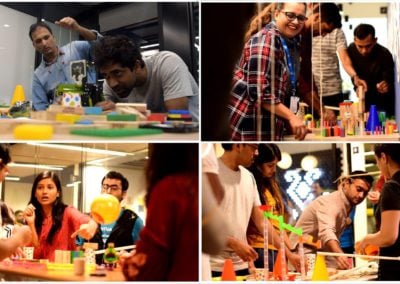
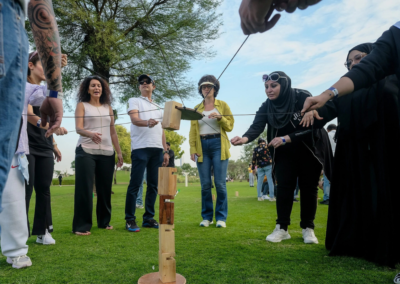
Teams complete fun challenges to win components needed to build a functioning life size catapult. Teams need to fail fast and evolve the design rapidly to ensure their contraption can take down targets of various sizes at different distances.
Key Focus Areas
- Diffuse Stress
- Collaboration
- Communication
- Creativity
- Problem Solving
- Time Management
- Strategy/Planning
- Fun/Play
What It Entails
Teams may face obstacles like constructing a life-size catapult capable of accurate projectile launches, refining strategies to hit targets at different distances, and swiftly iterating designs to meet time constraints. Moreover, teams must navigate unforeseen challenges during construction and testing, demanding adept communication and problem-solving abilities for triumph.
Frequently Asked Questions
What is the Angry Birds activity all about?
Teams complete a series of fun challenges to win components needed to build a fully functioning life-size catapult. Once built, teams use their contraption to take down targets of various sizes at different distances just like the popular game. It's a brilliant mix of engineering, strategy, and competitive fun.
How does the "fail fast" approach work in this activity?
Teams are encouraged to test their catapult designs quickly, identify what's not working, and evolve the design rapidly rather than overthinking it. This mirrors real-world agile thinking — the team that iterates fastest and adapts smartest ends up with the most effective contraption. It's a hands-on lesson in innovation under pressure.
What challenges do teams face during the build?
Teams must construct a catapult capable of accurate projectile launches, refine their aim for targets at varying distances, and work through unexpected design flaws during construction and testing. All of this happens under time constraints, demanding sharp communication and quick problem-solving throughout.
Does the activity require any prior engineering or building skills?
Not at all - all tools and equipment are provided on-site, and facilitators offer technical support when needed. The design process is meant to be instinctive and experimental. Teams with no building background often surprise themselves with what they're able to create through collaboration and creative thinking.


Please find our data and privacy policy here.